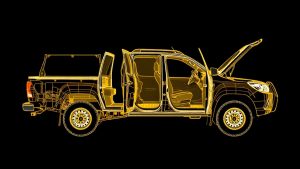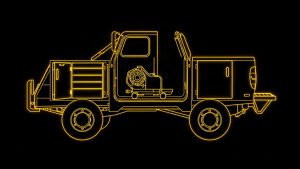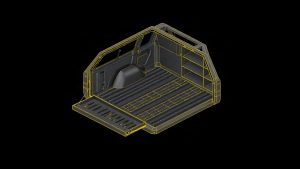
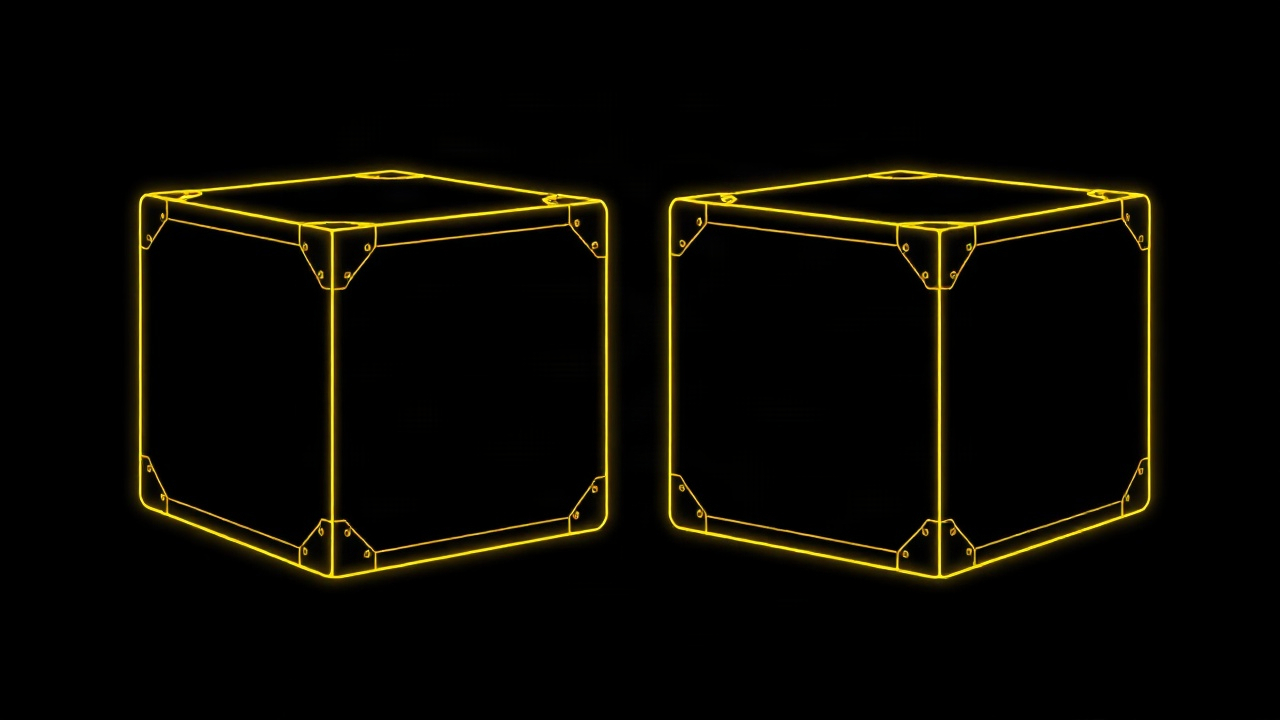
Choose a single undertray box if you only need a home for heavy, dirty gear like recovery straps, a jack and spares, and want to keep weight and cost down. Choose an undertray combo, a matched box on each side, if you carry more gear, want storage reachable from both sides of the ute, or want the weight spread evenly. Check what is under your tray first, because the exhaust or fuel filler can limit one side.
The space between the rear wheels and the tail of the tray is easy to ignore, but it is one of the best places on a ute to keep heavy gear low and out of the way. The question is whether you use one side or both.
When a single box is enough
- You carry a modest amount of gear. Recovery straps, shackles, a jack, tie-downs and a few spares usually fit in one box.
- You want to keep payload in hand. One box adds less weight than two, which matters on a ute that is already carrying a canopy, drawers and water.
- One side is blocked. If the exhaust or fuel filler takes up space on one side, a single box on the clear side may be the only practical option.
- Budget. One box costs less, and you can often add a second later.
When a combo makes sense
- You carry a lot of heavy gear. Splitting it across two boxes keeps both sides useful and stops one box getting overloaded.
- Balance matters. Heavy gear all on one side can make the ute lean slightly and change how it handles. Two boxes let you spread the load.
- You want access from either side. On site or at camp, being able to grab gear from whichever side you are standing on saves walking around the ute.
- You are separating gear. Many people keep recovery gear on one side and chemicals, fuel or dirty items on the other, away from clean tools.
Single box vs combo at a glance
| Single box | Combo (both sides) | |
|---|---|---|
| Storage | One side | Both sides |
| Weight added | Less | More |
| Load balance | All on one side | Can be spread evenly |
| Access | One side of the ute | Either side |
| Fits most utes | Yes, on the clear side | Depends on what is under the tray |
Check what is under your tray
Every ute is laid out a little differently underneath. Before deciding, look at where the exhaust runs, where the fuel filler sits, where the spare wheel lives and whether anything else, such as a second battery or water tank, already uses the space. These can rule out one side or limit the size of a box. Our undertray toolboxes guide explains how the wedge-shaped boxes fit between the wheel and the tail.
What to keep in each box
- Heavy and dirty: recovery gear, jack, chains, tie-downs. See our guide to recovery gear storage.
- Things you do not want in the canopy: chemicals, oil, spare fuel containers where appropriate.
- Not too much weight on one side: if you only have one box, keep the heaviest items lower in the canopy on the opposite side.
Weight and payload
Boxes and their contents all count towards payload and GVM. Add them up with the tray, canopy and everything else you carry. Our notes on weight and staying legal walk through it.
Plan it with the tray
Undertray boxes are easiest to plan when the tray is being built, so the mounting, clearances and access all work together. UTE HARIO trays and canopies are made to order. Read our tray and canopy combos guide, browse the shop, or look at more storage guides.
Frequently asked questions
What is an undertray combo?
It means fitting a matched undertray box on both sides of the chassis instead of just one. You get storage on both sides and the weight is spread more evenly across the ute.
Is one undertray box enough?
Often, yes. If you only need somewhere for recovery gear, a jack and a few spares, one box is usually plenty and keeps weight and cost down. You can add a second box later if the chassis space allows.
Can undertray boxes go on both sides of any ute?
Not always. The exhaust, fuel filler, spare wheel or other parts can limit space on one side. Check what is under your tray before deciding.
Do undertray boxes count towards payload?
Yes. The boxes and everything in them count towards your payload and GVM, the same as anything on the tray or in the canopy.