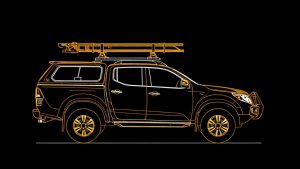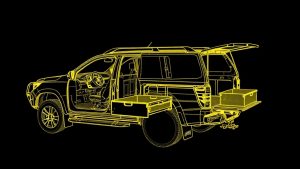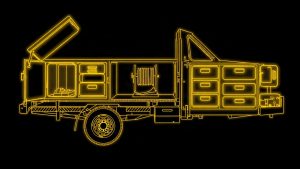
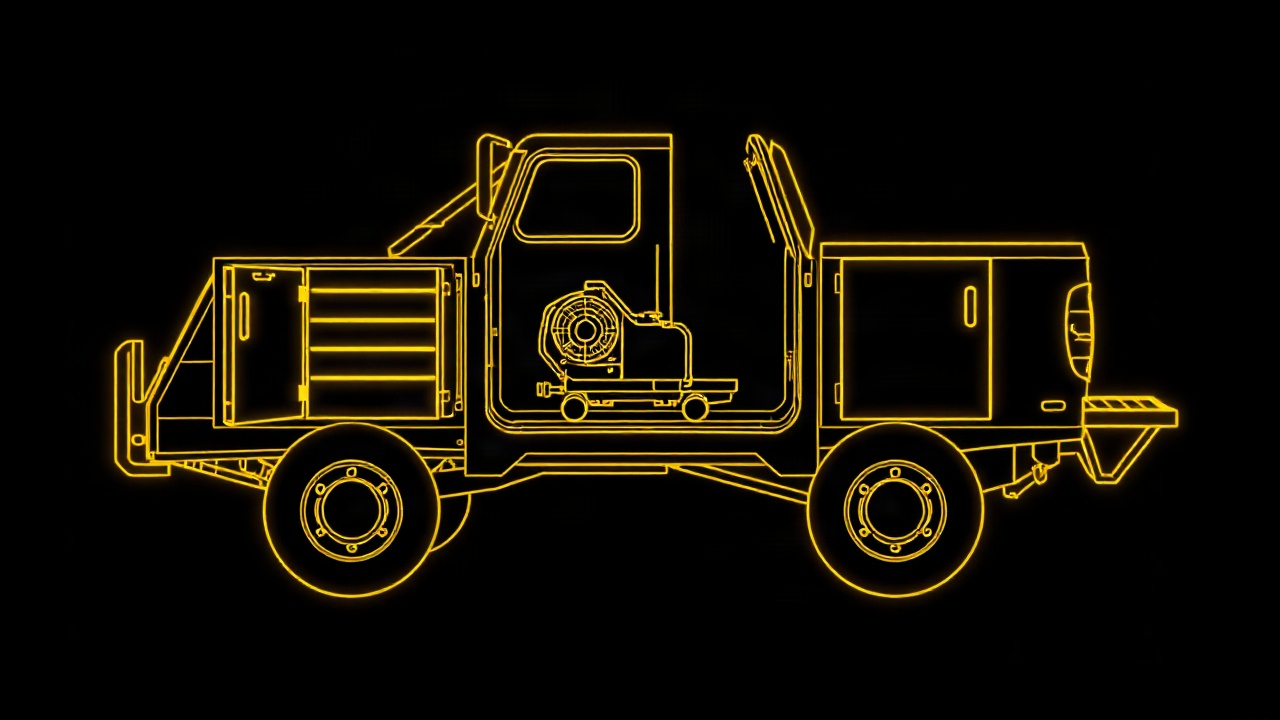
A service body for a mobile mechanic or field service tech should keep hand tools in shallow drawers at waist height, heavy gear like jacks, stands and a compressor low near the rear axle, diagnostic equipment clean and protected, and oils and dirty rags in a compartment of their own. Plan power and lighting at the start, and check the total weight against your ute’s payload before the layout is locked in.
We have looked at service bodies for electricians and plumbers. Mechanics and field service techs have their own mix: a lot of hand tools, some genuinely heavy equipment, fluids that you do not want near anything else, and gear that is expensive and does not like being knocked about.
Hand tools: drawers you can scan
Sockets, spanners, pliers, screwdrivers and specialty tools are what you reach for all day. Shallow drawers with foam or dividers let you see at a glance what is there and what is missing, which matters when you are packing up at the end of a job in a car park. Put the drawers you use most on the kerb side at waist height.
Drawer runners need to be rated for the weight you put in them, because a drawer full of steel tools is heavier than it looks. Every drawer should lock shut for driving and lock open when you are working. Our guide to aluminium ute drawers covers runners and locking.
Heavy gear low and tied down
A trolley jack, axle stands, a compressor, a battery booster pack and a toolbox of heavy sockets are the heaviest things in the vehicle. They go in low compartments, close to the rear axle, never high on a shelf or hanging off the back. The compartment floor needs to take point loads, and tie-down points stop heavy gear sliding forward under hard braking.
If you run air tools from an onboard compressor, plan where the hose will come out and where the compressor gets ventilation before the body is built, not after.
Diagnostic gear: clean, dry and padded
Scan tools, laptops and meters are the most expensive things you carry for their size. Give them a padded compartment or shelf at a comfortable height, away from fluids and heavy tools that can shift. If you charge equipment in the vehicle, plan power outlets and ventilation for that compartment from the start.
Fluids and dirty gear in their own compartment
Oil, coolant, brake cleaner, degreaser and oily rags will spoil everything they share a space with. Keep them in a dedicated compartment, ideally low and at the rear, with a removable tray that can be cleaned out. Keep that compartment well away from diagnostic gear and anything with a battery, and follow the labels on how each product should be stored and carried.
A layout that works for many mechanics
| Position | What goes there |
|---|---|
| Kerb side, waist height | Shallow drawers for hand tools |
| Kerb side, upper | Padded shelf for diagnostic gear and laptop |
| Road side, low near the axle | Jack, stands, compressor, booster pack |
| Road side, upper | Power tools, batteries and chargers |
| Rear compartment, low | Oils, fluids, cleaners, rags in a removable tray |
| Rack or top compartment | Long items such as creepers or bars |
Swap sides if you usually park with the other side to the kerb. The things you reach for most should be the easiest to get to.
Lighting, locking and payload
Roadside jobs often happen in poor light, so put LED lighting in every compartment; see LED lighting for canopies. A vehicle full of tools is a target, so consider central locking for every door. Then do the sums: tools, jacks, a compressor and stock add up fast, so check the body, racks and a normal working load against your ute’s payload and GVM. Our notes on weight and staying legal walk through it.
Getting one built
UTE HARIO builds aluminium service bodies, trays and canopies to order in Melbourne. Send us your ute make and model, cab type, the heavy gear you carry, the tools you use most and whether you need onboard power, and we will lay out the compartments around that. For fleets, see service bodies for trades and fleets, or browse more toolbox and storage guides. Ready-made options are in the shop, including the HARIO FC-180 jack-off crossdeck canopy if a canopy suits your work better.
Frequently asked questions
What should a mobile mechanic carry in a service body?
Hand tools in shallow drawers, power tools and batteries, diagnostic gear kept clean and dry, heavier items such as jacks, stands and a compressor low in the body, and a separate spot for oils, fluids and rags.
Where should heavy gear like a compressor or jack go?
Low in the body and as close to the rear axle as the layout allows, on a floor that can take the point load, with tie-down points so it cannot shift under braking.
How do I keep fluids away from tools and electronics?
Give oils, coolant, cleaners and dirty rags their own compartment, ideally low and with a removable tray you can clean out. Keep it apart from diagnostic gear and anything with a battery.
Is a service body better than a canopy for field service work?
For most technicians who work out of one vehicle every day, yes. Side compartments at standing height make tools faster to reach. A tray and canopy suits people who also need an open deck for bulky parts or equipment.
Will a fully loaded service body put my ute over payload?
It can. Tools, a compressor, jacks, stands and stock add up fast. Add up the body, racks and a normal working load and check them against your ute’s payload and GVM before you sign off the layout.