Choose slide-out drawers if you carry heavy tools you use every day and want them low and easy to reach. Choose fixed shelving if you carry lighter gear in bins, need flexibility and want to keep cost and weight down. Most working and touring utes end up with a mix of both.
The inside of a canopy decides how useful it is day to day. Here is how the two main options compare, and how to pick for the way you work.
How slide-out drawers work in a canopy
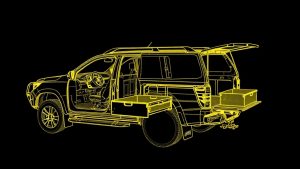
Drawers sit on the canopy floor or tray and slide out on heavy-duty runners. You open the rear or side door, pull the drawer out, and everything in it is at waist height without climbing onto the tray. Tools, recovery gear and kitchen kit stay organised in their own compartments.
The trade-off is weight and space. Runners, frames and drawer bodies all add weight, and the drawer system takes up floor height that you can no longer use for tall items. We cover drawer layouts in more detail in our guide to aluminium ute drawers.
How fixed shelving works
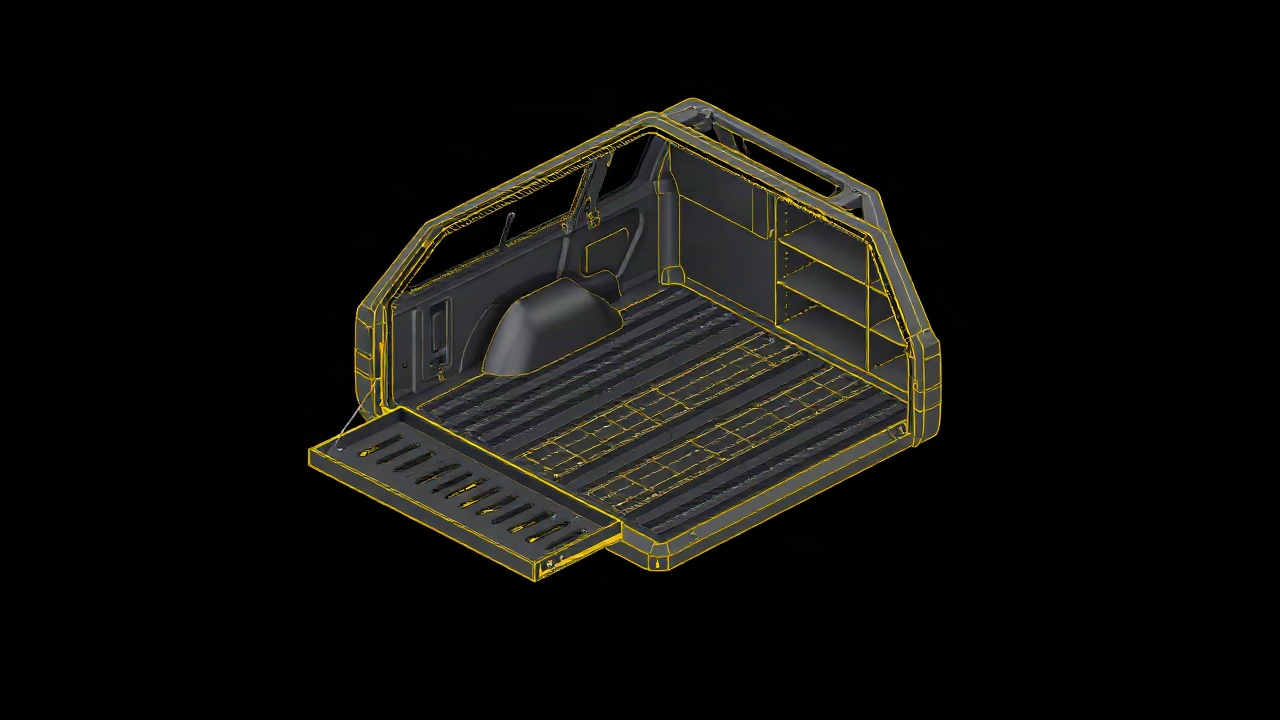
Shelving is fixed to the canopy walls and holds bins, cases and loose gear. It is lighter, simpler and usually cheaper than drawers. It also adapts easily: change the bins and the same shelves suit a different job.
The downside is reach. Items at the back of a deep shelf are hard to get to, especially through a rear door, and heavy items on shelves are awkward and less stable. Shelving works best with side access, such as gull wing doors, where you can reach the full length of the canopy from the side.
Side by side
- Access: drawers bring gear out to you; shelving needs you to reach in.
- Weight: drawers add more weight; shelving is lighter.
- Heavy items: drawers handle them well, low in the vehicle; heavy items on shelves are harder to manage.
- Flexibility: shelving adapts easily to changing jobs; drawers are fixed compartments.
- Cost: shelving usually costs less.
- Door style: drawers suit rear access; shelving suits side access through gull wing doors.
Which setup suits which job
Electricians and plumbers often use drawers for heavy tools and fittings, with shelving above for parts bins. Builders and carpenters may want open space for long items and shelving along one side. Tourers usually put a drawer system low for recovery gear and kitchen kit, with a fridge slide beside it, and keep the space above for soft bags and bedding.
Whatever you choose, keep heavy items low and close to the cab, and remember everything inside counts against payload. Our guide to canopy weight and payload explains how to check it.
Plan the inside before you buy the canopy
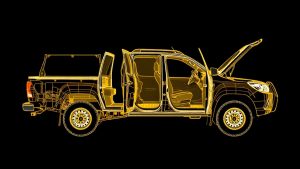
The fit-out affects the canopy you need. Drawers need enough floor space and opening height. Shelving needs the right door style for access. Decide roughly what goes inside first, then choose the canopy height and door layout around it. The canopy height guide helps with that part.
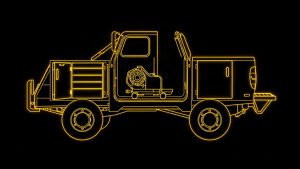
UTE HARIO canopies are modular: you choose the shell, then add drawers, undertray storage, racks and 12V power as one system. Start with the HARIO FC-180 jack-off crossdeck canopy, or browse more in our toolboxes and storage guides.
Frequently asked questions
Are slide-out drawers better than shelving in a ute canopy?
Neither is better for everyone. Drawers suit heavy items you need often and keep gear low and easy to reach without climbing in. Shelving suits lighter items, bins and odd shapes, and costs less. Many setups combine both.
Do drawers add a lot of weight to a canopy?
They add more than open shelving because of the runners, frames and drawer bodies. That weight counts against your payload, so include it when you work out the total weight of your build.
Can I add drawers to my canopy later?
Often, yes, if the canopy was designed with modules in mind. Check the floor space, opening height and door style first so the drawers clear the opening and the doors still close.
What is best for touring setups?
Many touring builds use a low drawer system for recovery gear and kitchen items, with a fridge slide beside it and shelving or open space above for bags and bedding.
How do I stop gear moving around on shelves?
Use shelves with lips or rails, tie-down points, and bins that fit the shelf depth. Heavy items should go low, never on the top shelf.