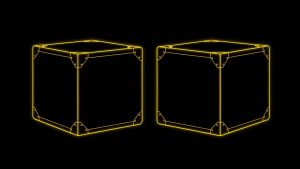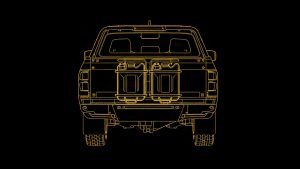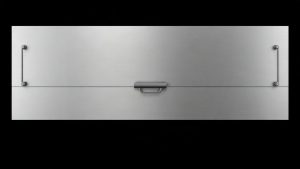
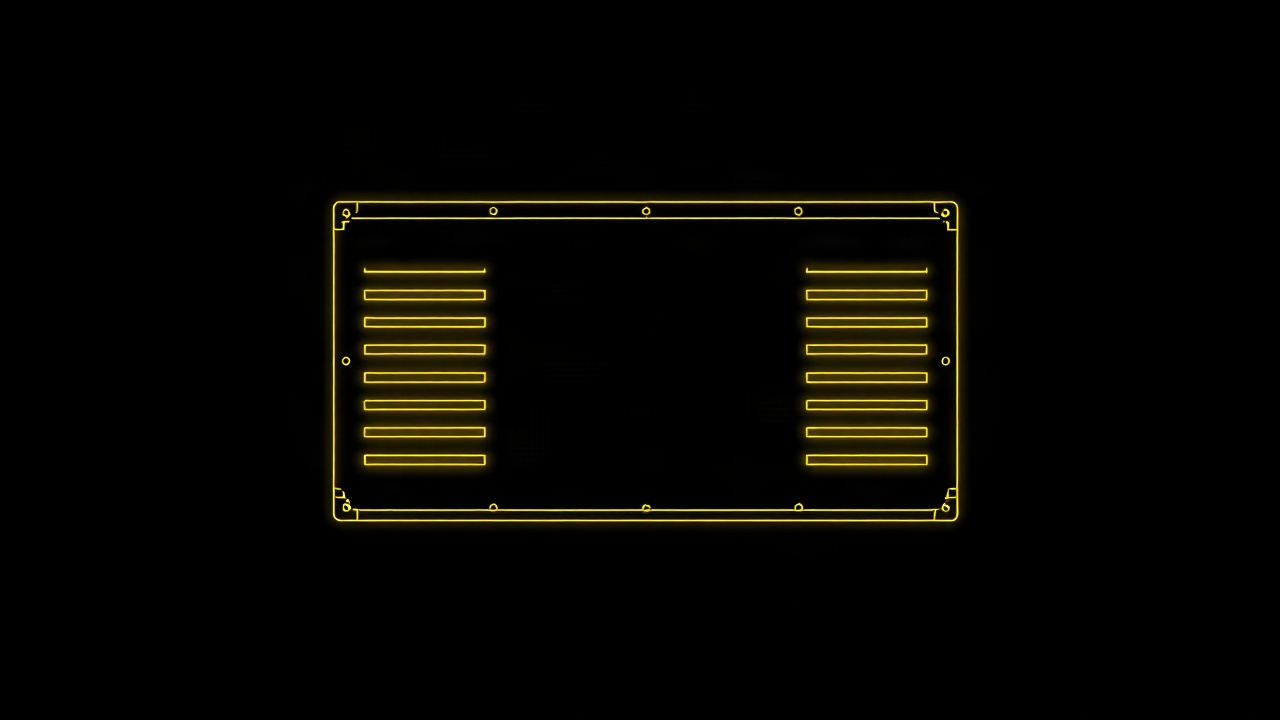
A ute dog box usually works best at the front of the tray against the headboard, with ventilation on at least two sides, a non-slip floor and a door that latches from outside. Keep dog gear like leads, bowls and water in an undertray box or a side compartment so the dog’s space stays clear. And check your state’s rules: in most of Australia, dogs on an open tray must be tethered or enclosed.
Farm dogs and working dogs spend a lot of time on the back of a ute. A box that’s built into the tray plan, rather than strapped on later, is safer for the dog and easier for you.
Where the dog box should sit
The front of the tray, just behind the headboard, is the usual spot. It gives the smoothest ride, the cab blocks some of the wind, and the weight stays closer to the rear axle rather than hanging off the back.
- Full width or half width. One dog or two? A half-width box leaves room beside it for a toolbox or a jerry can holder.
- Height. The dog should be able to stand and turn around. Too tall and it catches more wind and adds weight.
- Access. Think about which side you load from. A door on the kerb side is safer when you’re parked on a road.
Ventilation, heat and comfort
Heat is the biggest risk. An aluminium box sitting in the sun can get hot inside very quickly.
- Vents on more than one side so air moves through, not just in.
- Insulation or a lighter finish helps keep the inside cooler.
- A non-slip, easy-clean floor. Rubber matting that lifts out is common.
- Drainage so wash water and the odd accident don’t pool.
- Shade when parked. Never leave a dog shut in a box on a hot day while you walk away.
Restraint rules
Most Australian states require dogs on an open tray to be restrained, either tethered so they can’t reach the edge or carried in an enclosed box. The details vary, including exemptions for working dogs in some places, so check the current rules for your state before you finalise the layout. A properly latched box takes care of it either way.
Where the dog gear goes
Leads, collars, bowls, a water container, towels and first aid all need a home. Keeping them out of the dog box means more room for the dog and less mess.
- Undertray boxes use space that would otherwise be empty. Our guide to undertray toolboxes covers sizes and placement.
- A water tank under the tray is handy for both the dog and you on long days. See water tank trays.
- A small side compartment near the dog box door keeps the lead within reach when you open up.
Weight and payload
A dog box, the dog, a water tank and toolboxes all add up. Work out the total before the build, not after, so you stay inside your ute’s payload and GVM. Our notes on weight, payload and staying legal go through how to check. Lighter materials help here, which is one reason aluminium trays are popular for working setups. More on that in 5052 marine-grade aluminium.
Plan the whole tray together
A dog box at the front, open tray or a canopy behind it, and undertray storage underneath is a layout that suits a lot of working utes. Getting the positions, mounts and weights right is much easier at the design stage. Our tray and canopy combos guide explains the options.
UTE HARIO trays and canopies are built to order, so tell us about your dogs and what else you carry when you ask for a quote. Browse the shop, look at the HARIO FC-180 jack-off crossdeck canopy, or read more storage and toolbox guides.
Frequently asked questions
Where should a dog box go on a ute tray?
Usually at the front of the tray, against the headboard. That’s where the ride is smoothest, the box gets some wind protection from the cab, and the weight sits closer to the axle line.
Do dogs on a ute tray have to be restrained?
In most Australian states, dogs travelling on an open tray must be tethered or enclosed so they can’t fall or jump off. Rules differ between states, so check yours before you set up the tray.
Does an aluminium dog box get too hot?
It can in direct sun. Good ventilation on more than one side, a light colour or insulation, and parking in shade all help. Never leave a dog shut in a box on a hot day while you’re away from the ute.
Can I fit a dog box and toolboxes on the same tray?
Yes. A common layout is a dog box at the front, open tray or a canopy behind, and undertray toolboxes for gear. Plan it as a whole so the weight is balanced and you stay within your payload.