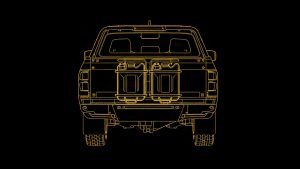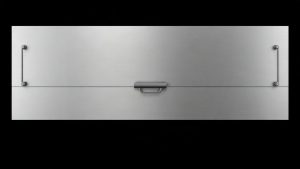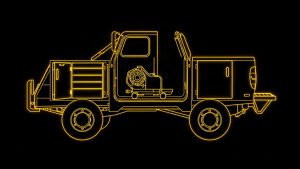
Recovery gear should live where you can reach it in under a minute without unpacking the ute, usually a side-access canopy compartment, a drawer or an undertray box. Keep heavy items like a winch extension kit, shackles and a compressor low and near the rear axle, put bulky light items like recovery boards on the roof or canopy side, and give muddy straps and ropes their own space so they don’t wreck everything else.
When you get stuck, the last thing you want is to unload a fridge, two drawers and a swag to find a snatch strap. Planning where recovery gear lives is one of the simplest things you can get right on a touring or work ute.
What needs to be reachable fast
Some gear only comes out occasionally. Recovery gear comes out when things have already gone wrong, often in mud, sand or the dark. These are the items to keep closest to hand:
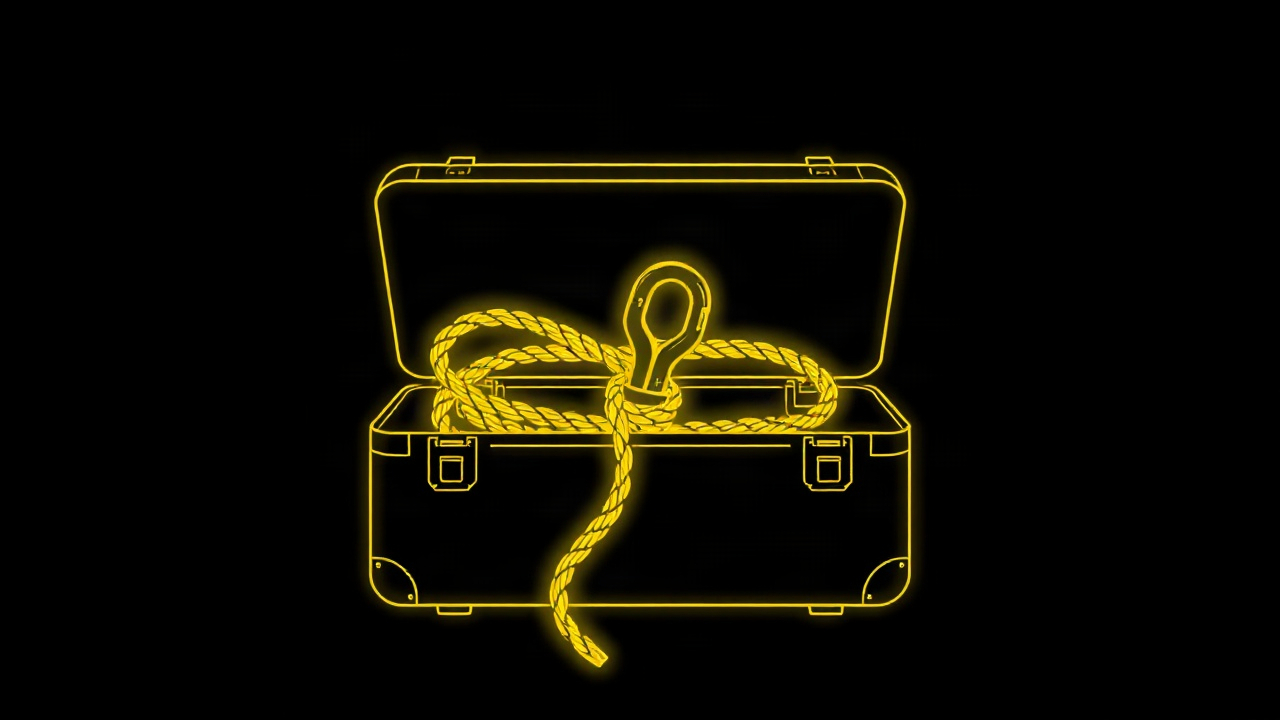
- Snatch strap or kinetic rope and a couple of rated soft or bow shackles.
- Tyre deflator and gauge, because letting tyres down is often the first fix.
- Gloves and a torch.
- A shovel, which is awkward to store but you’ll want it straight away.
Heavier or less frequently used items, such as a winch extension strap, tree trunk protector or a spare recovery hitch, can sit a little deeper.
Good places for recovery gear
- A side-access canopy compartment. Open the door and it’s there, no climbing into the tray. Gullwing canopies suit this well. Our guide on crossdeck toolbox canopies shows how compartments can be split.
- A drawer. Easy to reach from the back, though you may need to move a fridge slide or other gear first. See drawers vs fixed shelving.
- An undertray box. Uses space that would otherwise be empty, keeps heavy gear low, and keeps mud away from the canopy. More in our undertray toolboxes guide.
- The roof rack or canopy side for recovery boards. They’re bulky but light, so up high is fine if they’re properly mounted.
Weight and balance
Recovery gear isn’t the heaviest thing on a ute, but a compressor, shackles, a shovel and a winch kit add up. Keep heavy items low and as close to the rear axle as practical, and not hanging off the back of the tray. Remember it all counts towards payload, along with everything else on the build. Our notes on weight and payload explain how to check.
Keeping it clean and dry
Recovery gear comes back wet, sandy and muddy. If it goes straight back next to your bedding or tools, everything suffers.
- Give it its own compartment or a sealed box with a removable liner you can hose out.
- Dry straps and ropes properly before storing them for long. Damp soft gear can deteriorate and smell.
- Keep metal gear like shackles separate from soft gear so it doesn’t rub or cut.
Good door seals help too. A canopy that keeps dust and water out keeps the rest of your gear cleaner, as covered in our guide to waterproof and dustproof canopies.
Security
Recovery gear and compressors are easy to lift from an open tray or an unlocked box. A lockable compartment, toolbox or drawer keeps it out of sight and harder to take.
Plan it into the build
It’s much easier to give recovery gear a proper home when the canopy and storage are being designed than to squeeze it in later. Tell us what you carry and where you travel when you ask for a quote. UTE HARIO canopies and trays are built to order. Browse the shop, look at the HARIO FC-180 jack-off crossdeck canopy, or read more storage guides.
Frequently asked questions
Where should recovery gear go on a ute?
Somewhere you can reach without unpacking the rest of the ute, ideally from the side. A dedicated canopy compartment, a drawer or an undertray box near the rear wheels works well. Keep the heaviest items low and close to the axle.
Should recovery boards go on the roof?
Many people mount recovery boards on the roof rack or the side of the canopy because they’re bulky and light. That’s fine as long as they’re secured properly and you can get them down quickly when you’re stuck.
How do I stop wet, muddy gear messing up the canopy?
Give recovery gear its own compartment or a sealed box with a drain or a removable liner. Snatch straps and ropes should be dried out after use before they go back in, so they don’t rot or smell.
Should recovery gear be locked away?
Yes, if it’s expensive. Shackles, straps and a compressor are easy to steal from an open tray. A lockable compartment or toolbox keeps it secure and out of sight.