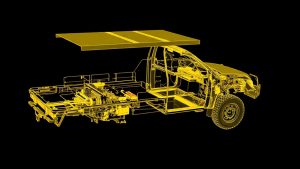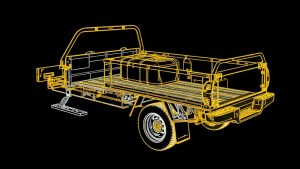
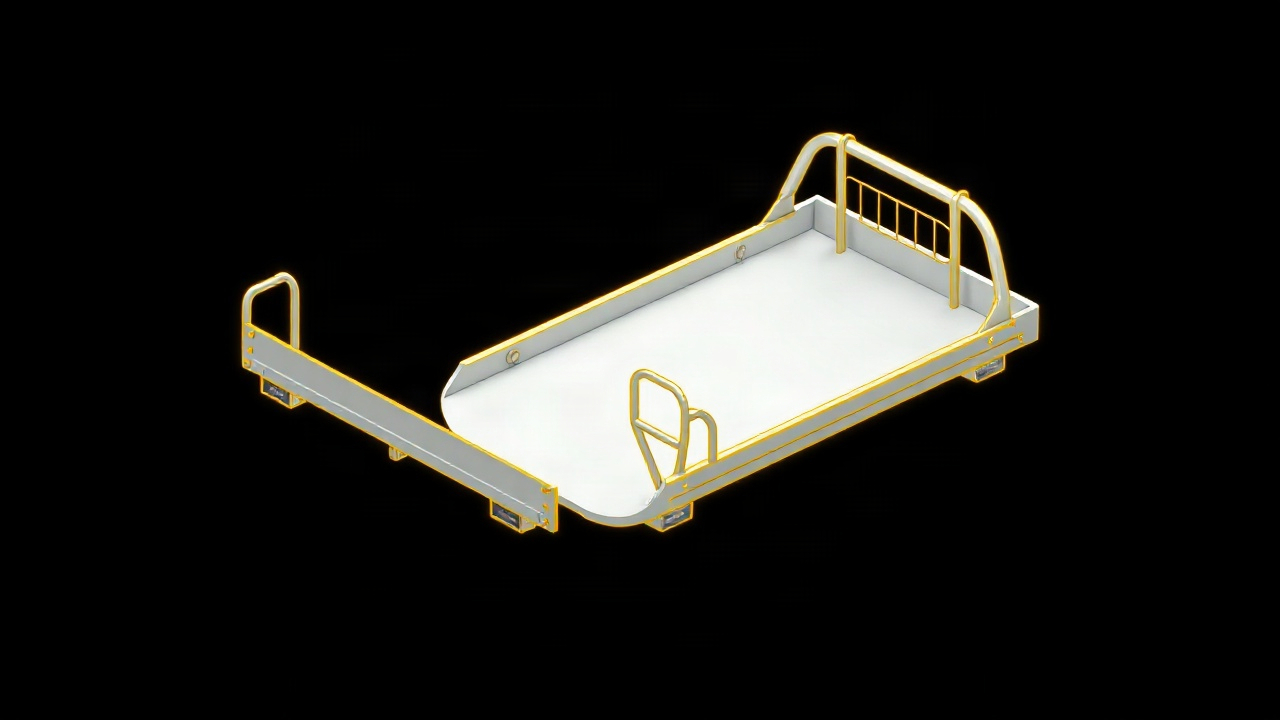
Pick aluminium if you want to keep payload and avoid rust. Pick steel if the tray takes hard daily abuse, like heavy steel or rock thrown onto the deck, and the extra weight doesn’t push you near your GVM. For most tradies, tourers and fleet utes in Australia, aluminium is the better all-rounder.
The two materials do the same job, but they behave differently on the road and over the years. Here is how they compare on the things that actually matter when you’re buying.
Weight and payload
This is the biggest difference. A steel tray is heavier than an aluminium tray of the same size, and that weight comes straight out of what your ute can legally carry. On a dual cab that’s already close to its limit once you add a canopy, drawers and a fridge, the weight saved by aluminium can be the difference between staying legal and needing a GVM upgrade.
If you haven’t worked out your numbers yet, our guide to ute canopy weight and payload walks through GVM, tare and how to check it on a weighbridge.
Strength and how each one takes a knock
Steel is harder and stiffer, so it shrugs off point impacts. Drop a pallet of pavers on a steel deck and you’ll likely get a scratch. Do the same on aluminium and you may get a dent.
Aluminium trays make up for this with thicker extrusions, cross-members closer together and a ribbed or checker-plate floor. A properly engineered aluminium tray carries the same rated load as a steel one. Where it shows wear is surface marking, not structural failure.
So ask yourself what goes onto the tray and how. Tool bags, timber, pipe and toolboxes suit aluminium fine. Daily loads of steel off a crane or rock off an excavator bucket are where steel earns its weight.
Rust and corrosion
Steel needs a coating to survive. Paint chips, and once water gets under it the rust spreads from the inside. Hot-dip galvanising lasts much longer, but cut edges and welds added later still need care.
Aluminium forms its own oxide layer and won’t rust. That matters if you live near the coast, launch boats, or drive on salted alpine roads in winter. Marine-grade alloys hold up best; we explain why in what 5000-series marine-grade aluminium means. The one thing to watch is contact with steel bolts or brackets without isolation, which can cause galvanic corrosion over time.
Cost over the life of the ute
Steel usually wins on the invoice. Aluminium costs more to build because the material and welding cost more.
The picture changes over five to ten years. An aluminium tray doesn’t need repainting, keeps its resale value, and often moves across to your next ute if the chassis length matches. A steel tray that has rusted through is usually scrap. If you plan to keep the tray longer than the vehicle, factor that in.
Fuel use and handling
Extra weight behind the rear axle makes a ute softer to steer and harder on the rear springs and tyres. It also adds a little to fuel use, which you’ll notice on long highway runs or touring trips. Lighter trays keep the ute closer to how it drove from the factory.
Which jobs suit which tray
Steel makes sense for quarry and demolition work, farm utes that carry bulk feed or posts every day, and anyone loading with machinery rather than by hand.
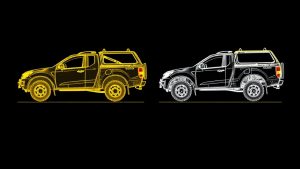
Aluminium suits electricians, plumbers, builders and most mobile trades, touring and camping setups, and fleet utes where the tray will move between vehicles. It’s also the usual choice when you’re adding a canopy, because the combined weight adds up quickly. See tray and canopy combos explained for how the two work together.
Before you buy either one
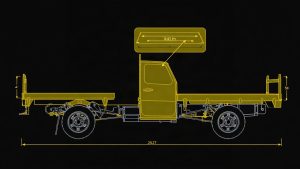
Check the tray length against your cab type, because single, extra and dual cabs take different sizes. Our ute tray sizes guide covers the common lengths. Ask for the tray’s actual weight in writing, not an estimate, and make sure the mounting points suit a canopy if you might add one later.
If you’re pairing a tray with a canopy, our HARIO FC-180 jack-off crossdeck canopy is built in aluminium to keep the total weight down. You can browse more tray guides in the trays and combos section.
Frequently asked questions
Is an aluminium ute tray strong enough for trade work?
For most trades, yes. A well-built aluminium tray uses thicker sections and proper bracing to make up for aluminium being softer than steel, and it carries the same everyday loads of tools, materials and toolboxes. Where steel still makes sense is constant heavy point loads, like dropping steel off a crane or dragging rock onto the deck every day.
How much lighter is an aluminium tray than steel?
It depends on the size and how each tray is built, so compare the actual spec sheets. As a rough guide, an aluminium tray of the same size is often several tens of kilograms lighter than a steel one, and every kilogram saved goes back into your payload.
Do steel ute trays rust?
Steel will rust once the paint or galvanising is chipped and water gets in, especially near the coast or on salted roads. Galvanised steel lasts much longer than painted steel. Aluminium doesn’t rust, although it can still corrode if it sits in contact with other metals or salt for long periods.
Which is cheaper, a steel or aluminium tray?
A steel tray usually costs less to buy. Aluminium costs more up front but weighs less and doesn’t rust, so many owners find it cheaper over the life of the ute, particularly if they keep the tray when they change vehicles.
Can I put a canopy on a steel tray?
Yes, as long as the tray is built to take the mounting points and the combined weight still fits your payload. Many people pair an aluminium canopy with either type of tray. Check with the canopy maker before you buy so the mounts line up.