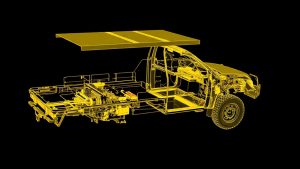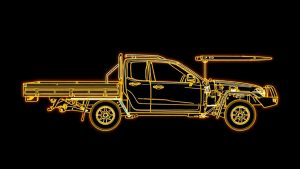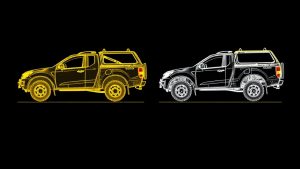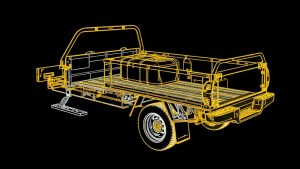
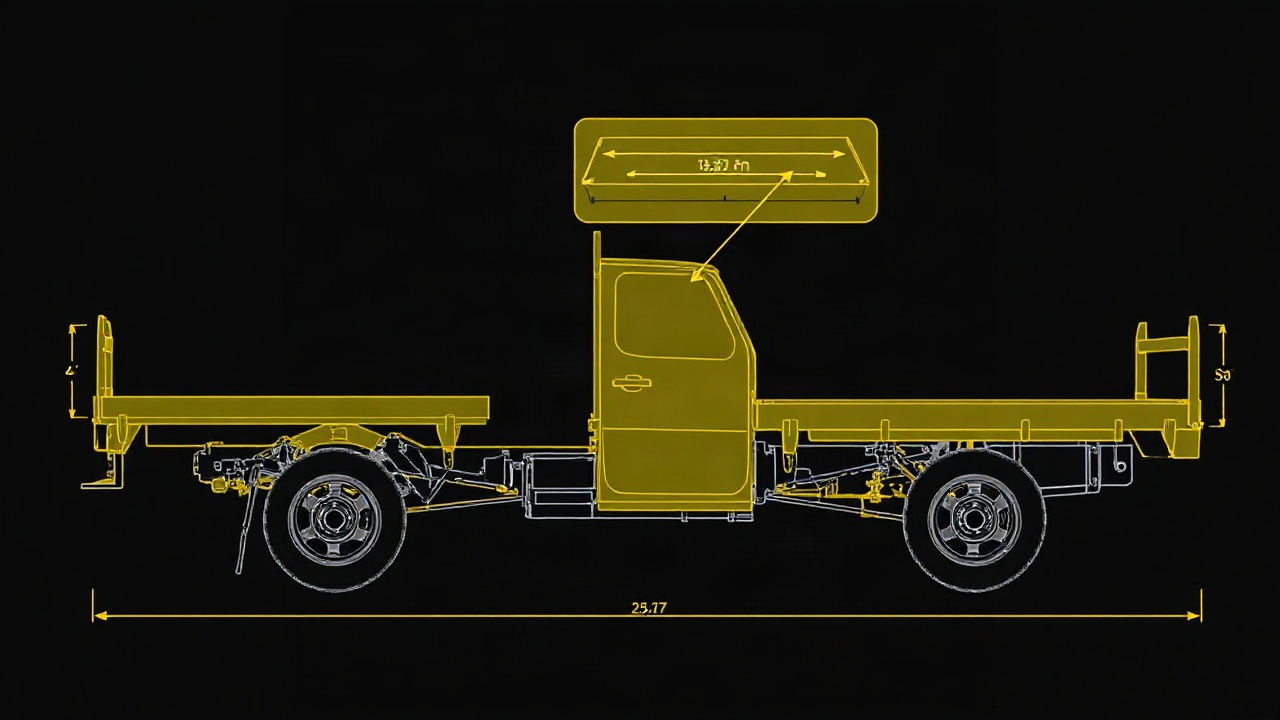
Ute trays are usually sold in lengths of about 1600, 1800 and 2000 mm, with longer options for single cabs and widths close to 1800 mm. Dual cabs tend to take the shorter trays, single cabs the longer ones. The right size for your ute depends on the cab style, chassis length, rear overhang limits and payload, so use these figures as a range and confirm against your vehicle and the tray maker’s spec.
Why tray sizes come in steps
Tray makers build to a handful of standard lengths because most utes fall into a few groups: single cab, extra (space) cab and dual cab. The cab takes up part of the chassis, and what’s left behind it decides how long the tray can be. That is why you see 1600, 1800 and 2000 mm quoted so often. They are common sizes, not rules, and two makers can list a “1800” tray that differs by a few centimetres once you measure the outside edges.
Length is usually the headline number. Width is less talked about but matters just as much. Most trays sit around 1800 mm wide so the load lines up with the wheel track and the tray doesn’t stick out past the mirrors. Some go wider for more deck space, which can affect how the ute handles narrow tracks and car parks.
Single cab, extra cab or dual cab
A single cab leaves the most chassis free, so it takes the longest trays. That is why tradies who carry sheet material or long lengths often run single cabs.
An extra cab sits in the middle. You get a bit of cab space for gear or occasional passengers and a tray that is usually in the mid range.
A dual cab gives you a full back seat and the shortest space behind it. Most dual cab trays land toward the 1600 to 1800 mm end. If you’re weighing the two body styles against each other, our dual cab vs single cab canopy guide covers the trade-offs in more detail.
Within each group, models still differ. Chassis length, where the rear axle sits and what’s bolted under the rear all change what fits. We have written about individual models in our fitment series, for example canopy fitment on the Toyota Hilux. For your own ute, go by a measurement of the actual vehicle and the tray maker’s spec sheet, not a generic chart.
Rear overhang and why longer isn’t always better
It is tempting to fit the longest tray you can. The catch is rear overhang: the distance from the rear axle to the back of the vehicle. A longer tray pushes more of the load behind the axle. That lifts weight off the front wheels, loads the rear suspension harder and can make the ute feel light in the steering when it’s full.
Rear overhang also has legal limits in Australia, and a tray that goes past them may need engineering sign-off or may not be allowed at all. The rules and how they are applied can differ by state, so check your vehicle handbook and your state road authority, and ask the installer to confirm before you order. We don’t quote a figure here because it depends on the vehicle and where you register it.
Payload and GVM
Every ute has a Gross Vehicle Mass (GVM), the most it is allowed to weigh fully loaded. Your payload is whatever is left after the vehicle itself, the tray, the canopy, the fitout, fuel and passengers. A longer tray weighs more, and it tempts you to carry more.
The practical approach is to weigh the ute as you’ll actually use it, at a public weighbridge, and compare that to the GVM and axle ratings on the compliance plate and in the handbook. If you are close, a lighter aluminium build or a shorter tray might leave you more room than any suspension upgrade. Some owners look at a GVM upgrade. That is a job for a qualified installer and needs the right paperwork, so talk to one before assuming it’s an option for your vehicle.
Matching the canopy to the tray
A canopy is built to sit on a particular tray, so the tray size decides the canopy size. Our HARIO FC-180 jack-off crossdeck canopy is listed on its product page in 1600 mm and 1800 mm sizes, with the 1800 version at 1800 × 1800 × 850 mm external, and custom sizes built to the vehicle. If your tray is an odd size, that is where a custom build makes sense.
If you’re buying tray and canopy at the same time, it’s easier to have them designed together so the mounting points, overall height and weight all work as one package. Our guide to tray and canopy combos explains how that works, and ute canopy vs ute tray covers whether you need a canopy at all.
How to pick the right size
Start with what you carry. Measure the longest item you move regularly and the space your fitout needs, whether that’s drawers, a fridge slide or a water tank. Then look at your vehicle: cab style, chassis length and the payload left under GVM. The right tray is the shortest one that fits your gear comfortably, because every extra 200 mm adds weight and overhang you’ll carry every day.
Before ordering, get the tray maker to confirm the size against your actual vehicle and check that the finished setup stays within overhang and weight limits. You can browse other tray and canopy articles in our trays and combos section, or send us your vehicle details and we’ll work through the size with you.
Frequently asked questions
What are the common ute tray sizes in Australia?
Tray lengths are usually quoted in steps of roughly 200 mm, with 1600, 1800 and 2000 mm being the sizes you see most for dual and extra cabs, and longer trays for single cabs. Widths tend to sit around the 1800 mm mark. Exact sizes vary between makers and vehicles, so treat these as a starting range and confirm against the manufacturer’s spec for your ute.
What size tray fits a dual cab ute?
Dual cabs have the shortest space behind the cab, so they usually end up with trays toward the shorter end of the range, often around 1600 to 1800 mm. The right answer depends on your model, its chassis length and where the rear axle sits. Your tray builder should measure the vehicle rather than go off a chart.
Can I fit a longer tray than standard?
Sometimes, but a longer tray moves more weight behind the rear axle and increases rear overhang, which has legal limits. Some vehicles need an engineering certificate or suspension work for a long tray. Check your vehicle handbook and your state road authority rules, and ask the installer before ordering.
Does the canopy have to match the tray size?
Yes. A canopy is built to the tray it sits on. The UTE HARIO FC-180 is listed on its product page in 1600 mm and 1800 mm sizes, with an external size of 1800 × 1800 × 850 mm for the 1800 version, plus custom sizes built to the vehicle. Sort out the tray first, then size the canopy to it.
Does tray size affect payload?
Indirectly. A bigger tray weighs more and holds more, and both eat into the payload left under your vehicle’s GVM. Weigh the ute as it will actually be used, with tray, canopy, fitout and gear, and compare that to the figures on the compliance plate and in the handbook.